Export Documents
Charcoal Shipping Documents Are Boring. That Is Why They Matter.
SDS, COA, transport files and loading proof are not decoration. For charcoal importers, boring paperwork prevents expensive problems.
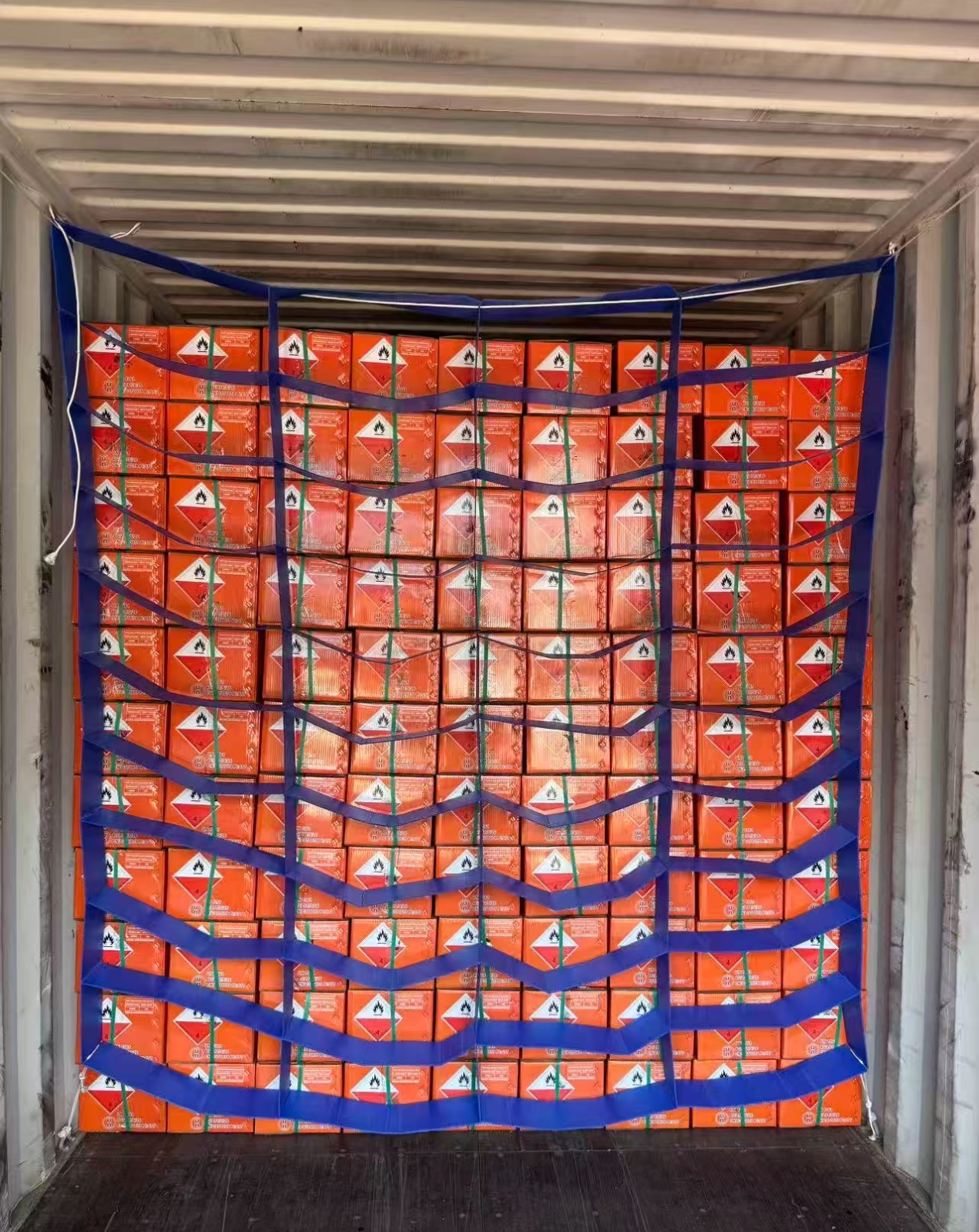
Nobody gets excited about SDS files
No buyer opens a supplier website hoping to spend a beautiful afternoon reading transport certificates. But in the charcoal business, boring documents are often the difference between a clean shipment and a very expensive argument at the port.
Charcoal is fuel. Fuel has shipping risk. That means importers should treat paperwork as part of product quality, not as an afterthought.
The documents buyers should ask for
For bamboo charcoal, BBQ charcoal and shisha charcoal shipments, buyers commonly need to check several files before the goods leave the factory. The exact requirement depends on destination country, shipping line, product form and declared classification.
So no serious supplier should promise customs is guaranteed. That sentence sounds comforting right until it becomes useless.
- SDS or MSDS for handling, storage and transport information.
- COA or product analysis for batch comparison.
- Transport certificate or dangerous-goods related documents when required.
- Packing list, commercial invoice and certificate of origin if needed.
- Carton marks, warning labels and loading photos.
Why SDS matters
An SDS explains handling, storage, transport and safety information. For charcoal importers, it helps shipping agents and carriers understand what is being moved.
Container safety guidance has repeatedly pointed to problems caused by misdeclared or poorly prepared charcoal cargo. If the carrier does not understand the cargo, the risk does not disappear. It just travels quietly.
That is not a good business plan.
COA is not decoration
A COA gives buyers a practical way to compare batches. Ash, moisture, fixed carbon and other values help importers judge whether the product matches the order.
For restaurant charcoal, buyers may care about long stable burning and low ash. For shisha charcoal, buyers may focus on shape, heat stability, ash fall and odor. For supermarket packs, consistency matters because retail complaints are painful and public.
The COA should support the buying decision. It should not be a PDF nobody can explain.
What good suppliers do before loading
A reliable bamboo charcoal manufacturer should prepare documents early, confirm packing photos, check carton marks and share loading evidence.
For OEM and private label charcoal, this becomes even more important. The buyer is not only importing fuel. They are importing their brand reputation in a container.
- Final carton photos.
- Inner packing photos.
- Loading photos.
- Document draft check.
- Product and package match against the order.
The real point
Documents do not make bad charcoal good. But weak documents can make good charcoal hard to ship, hard to clear and hard to reorder.
For importers, the smarter question is not only what is your FOB price. It is also: can this supplier help me avoid boring problems?
In charcoal trading, boring problems are usually the expensive ones.