Saudi Market Guide
Saudi Shisha Charcoal: Write a Better First Container Brief
For Saudi shisha distributors, the first container brief should connect the bowl test, carton, summer storage and repeat-order plan before a price is compared.
The first container is not a very large sample order
A first container of shisha charcoal has a habit of making ordinary questions feel urgent. What cube size? Which retail carton? What does the distributor actually need to tell a factory? The rushed answer is usually a price request with a few photos attached. That is understandable. It is also how avoidable assumptions sneak into an order.
For a Saudi shisha charcoal distributor, a first container is better treated as a short operating brief. It needs to connect what happens in a bowl, what happens to a carton in a warehouse, what an importer needs to check locally, and what will make a second order easy instead of awkward.
This does not mean turning a purchase order into a novel. It means answering the few questions that decide whether the product is usable after it reaches your market. A clean price comparison comes after that work, not before it.
Start with the customer you are really serving
'Saudi market' is not a charcoal specification. A lounge group, a specialty retailer and a wholesaler selling mixed brands can all buy shisha charcoal in Saudi Arabia, but their headaches are different. A lounge may judge a cube by staff workload during a busy session. A retailer may care more about a carton that still looks respectable after warehouse handling. A wholesaler may need a sensible assortment and a reliable way to repeat it.
Recent market research describes Middle East buyers as increasingly concerned with steady heat, low ash, moisture-resistant packaging and repeatable quality. Treat that as a prompt to ask better questions, not as proof that every buyer wants the same thing. Your own customers are the useful evidence.
Write one sentence that names the channel and the job. For example: 'This 25 mm cube is for independent lounges that use a standard heat-management device and reorder by master carton.' That one sentence already rules out a surprising amount of vague discussion.
- Who is the first customer: lounge, retailer, distributor or hospitality group?
- Which bowl and heat-management setup is common in that channel?
- Will the charcoal be sold as a branded retail unit, a trade carton or both?
- What complaint would hurt the most: unstable heat, breakage, a weak carton, slow replenishment or unclear product information?
Specify the test before you specify the slogan
Natural charcoal is often sold through adjectives: premium, clean, long-burning, high heat. Those words are not completely useless, but none tells a buyer what will happen in a real session. A sample should be tested with the same bowl, heat device, tobacco preparation and number of pieces the buyer's customers will use. Otherwise one supplier's 'good heat' is another supplier's very warm opinion.
The useful record is modest. At ignition, at the early session, and later in the session, note heat feel, ash behavior, odor observations, breakage and whether staff had to adjust the setup. Do not turn a lounge into a laboratory. Just make the comparison fair enough that a future reorder has something to refer to.
If you are considering bamboo shisha charcoal, the same rule applies. Bamboo is a feedstock, not a performance guarantee. Ask to test the proposed production specification and keep one approved sample as a reference.
Let the carton tell the truth about the route
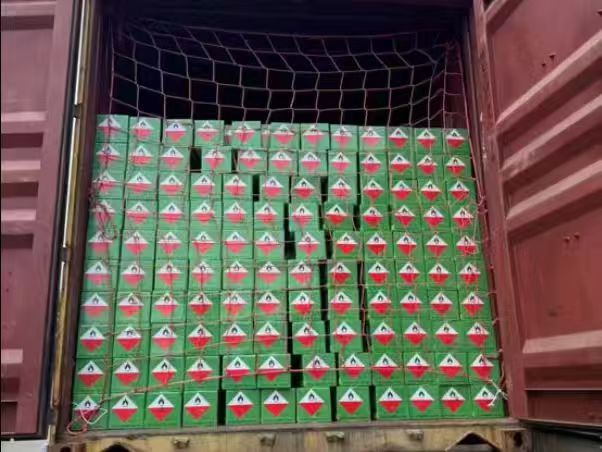
A retail box can look excellent at a factory table and still arrive tired. Long handling, compression in a master carton and warm storage all expose weak corners, loose inner protection and optimistic artwork decisions. The first container brief should state the retail pack, the inner protection, the master-carton arrangement and what product condition counts as acceptable at receiving.
Do not claim that a carton will solve climate or transit risk. Instead, ask for a physical packing sample or a documented packing mockup, then have someone handle it as a warehouse receiver would. Open it, close it, stack it, and inspect the lower pieces. The second opening is still a useful test; the first container simply gives it a much longer journey.
For summer or warm-storage exposure, ask the supplier how the product and packaging are prepared, then check your own storage and distribution conditions. The buyer's route is part of the specification. A factory cannot see the back room of every customer in Riyadh or Jeddah.
Keep local requirements with the buyer, but bring them in early
Language, product information, warnings, barcode format, importer details and retail requirements should be confirmed against the buyer's local advice before artwork is released. The factory can apply approved content. It should not guess at Saudi legal, customs or retail requirements from a previous order for another market.
The same goes for shipping documents. Charcoal transport has tightened: industry guidance for non-activated charcoal made from bamboo, coconut shell or wood distinguishes it from activated carbon and emphasizes correct UN 1361 preparation, packaging and declaration. The freight forwarder, carrier and importer should confirm what applies to the specific shipment. No article can guarantee clearance, and neither can a confident sales message.
That may sound cautious. It is. Cautious is good when a container is involved.
- Provide verified English or Arabic artwork rather than machine-generated copy.
- Confirm importer information, barcodes and any local retail requirements before print approval.
- Ask early which shipping files the forwarder and carrier expect for the booked route.
- Request drafts and packing or loading evidence before final shipment, not after arrival.
Build the second order into the first one
The best first container is not the one with the most ambitious SKU list. It is the one that leaves a clear answer to 'what do we reorder, and why?' Start with a focused specification. Record the approved sample, shape, approximate piece count or pack format, carton revision, observations from the test and the receiving result. If something changes, make it a conscious change rather than a surprise hidden inside a familiar product name.
A distributor can also ask for a simple post-arrival review: what arrived well, what broke, what the sales team heard, and whether the next order needs a packaging or assortment adjustment. This turns the first shipment from a gamble into a source of operating knowledge.
The point is not to make buying slow. It is to make the second container less dramatic than the first. That is usually where a supplier relationship becomes useful.
What buyers should think differently
A Saudi shisha charcoal order is not defined by a cube size and a FOB number. It is defined by a use case, a fair sample test, a package that survives the route, verified local information and a way to repeat what worked.
If a quote cannot be connected to that brief, it is not yet a buying decision. It is only a number waiting for context.