
Buyer Comparison
Machine-Made Bamboo Charcoal vs Lump: Buyer Guide
The useful question is not which charcoal wins. It is which fuel format fits the grill, the sales channel and the customer promise.
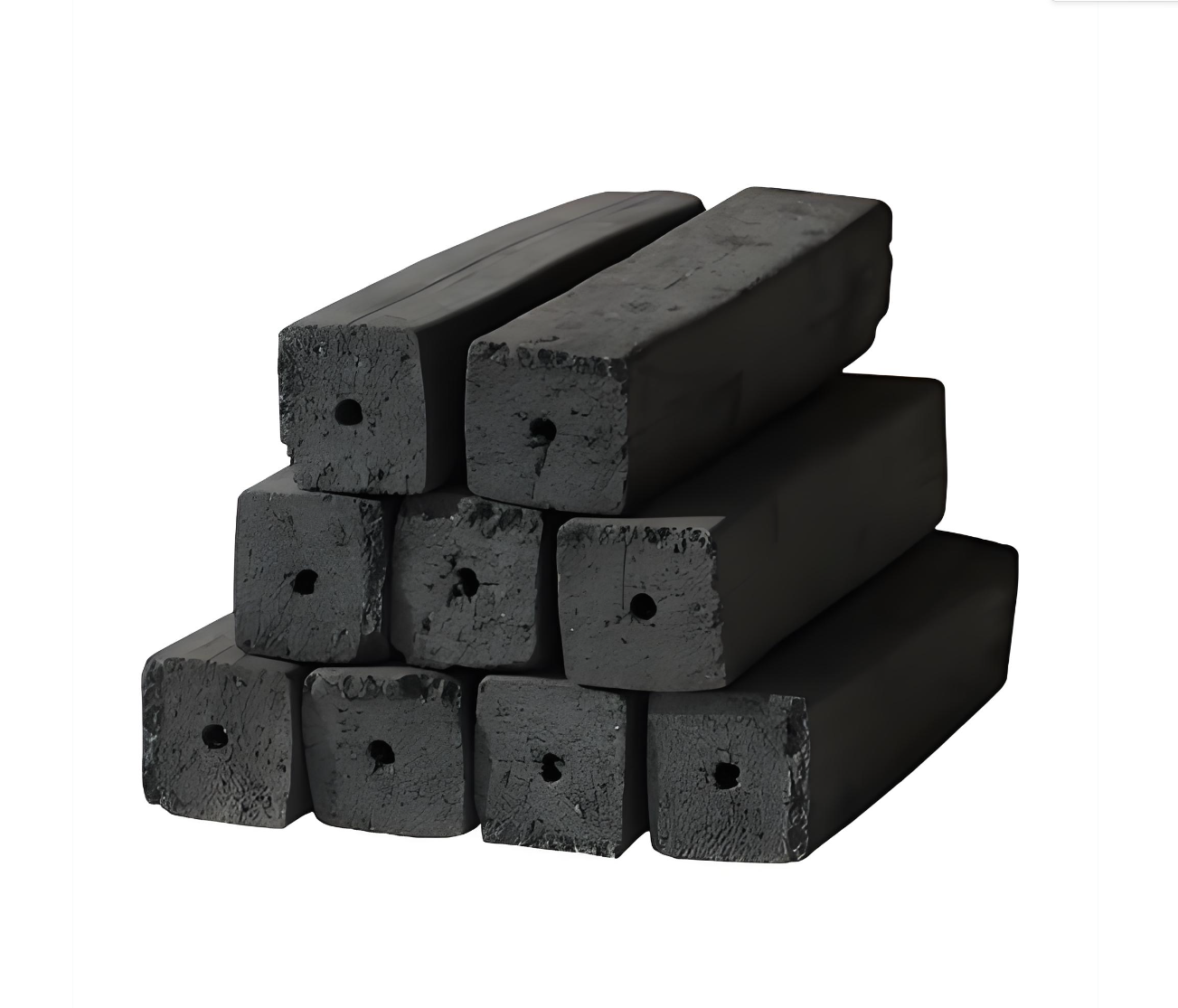
There is no champion charcoal. There is only a better fit.
Buyers often ask whether machine-made bamboo charcoal or lump charcoal is better for BBQ. It sounds like a simple product comparison. It is not. The answer changes with the grill, the cook, the portion of the market being served, and the kind of complaint the distributor wants to avoid.
Lump charcoal is irregular by design. That can appeal to cooks who like a natural, varied fire and are comfortable managing it. Machine-made bamboo charcoal briquettes are formed to a repeatable shape. That can make portioning, stacking and customer instruction easier. Neither fact makes one material universally superior. It simply changes what a buyer should test.
That distinction matters in B2B buying. A restaurant chef may care about how the fuel behaves during a busy service. A retailer may care whether a first-time customer can light and use it without returning the bag in a bad mood. A distributor may care whether the product packs consistently, arrives in good condition and can be reordered without reinventing the specification. Calling all three needs 'BBQ charcoal' hides the important part.
Start with the grill and cooking routine
Before comparing quotations, ask what the end user actually cooks on. A kettle, open grill, ceramic cooker, smoker, restaurant grill and catering setup do not ask the same thing of fuel. Airflow, fuel bed depth, cooking time and the operator's habit all affect the result. A bag can look excellent on a shelf and still be the wrong answer for the user's equipment.
For a controlled, repeatable setup, shaped briquettes can be attractive because the pieces are easier to count and arrange. That does not remove the need for testing. Density, size, ignition method and airflow still matter. For an operator who prefers variable pieces and a more responsive fire, lump charcoal may be the familiar choice. A buyer should resist turning a format preference into a physics lesson. The grill will settle the argument quickly enough.
The 2026 consumer grilling guidance from Home Depot still makes the basic point useful to B2B buyers: charcoal cooking spans different equipment and cooking styles, and ash clean-up remains part of the user experience. A distributor should translate that into a practical rule: sell the fuel with a clear use case, not a vague promise of 'high heat.'
- What grill or cooker will most customers use?
- Is the main job fast grilling, a longer cook, or a restaurant service period?
- Does the buyer need repeatable portions and pack instructions?
- How much tolerance does the customer have for fuel management and ash clean-up?
What shaped bamboo briquettes change
Machine-made bamboo charcoal is not interesting because the word 'machine-made' sounds technical. It is interesting because a defined form can give the buyer a more repeatable commercial unit. Similar pieces are easier to describe in a product brief, easier for staff to demonstrate, and easier for a customer to recognize at the next purchase.
That repeatability has limits. A uniform-looking briquette is not automatically a consistent cooking experience. The buyer should still check the actual batch, the way pieces ignite, the heat through the cook, ash accumulation and the condition of the pack after normal handling. A perfect square in a catalogue cannot rescue a weak carton or a poor fit for the grill.
For private-label or supermarket channels, the format may also simplify the customer story. The front of the pack can explain a use case, pack weight and lighting guidance without pretending that every grill behaves identically. Keep the language modest. 'Suitable for controlled BBQ setups after full ignition' is more credible than claiming it solves every barbecue in the country.
What lump charcoal changes
Lump charcoal brings its own commercial questions: piece-size range, fines, breakage, bag condition and how much variation the channel accepts. Some customers like the visual character of irregular charcoal. Others see irregularity and wonder whether the bag will be hard to manage. Both reactions are valid, which is why a distributor should decide who the product is for before building a whole range around it.
Do not compare a carefully chosen sample of one format with the least convenient bag of another and call it research. If the buyer is considering lump charcoal, set an acceptable piece-size range and a realistic check for small pieces and dust. If the buyer is considering briquettes, set the expected shape, condition and practical test method. The point is not to make the formats identical. The point is to define what good looks like for each.
Run a comparison that is fair enough to teach you something
Use the same grill, food load, lighting method and airflow setting for both samples. Record the number or approximate weight of pieces, the time to cooking readiness, the cooking window, ash behaviour and any practical notes from the operator. Do not chase a universal winner from one afternoon. Look for whether the sample matches the buyer's intended channel.
For restaurant or hospitality testing, include the person who cleans the grill as well as the person who lights it. For a retail program, ask a shop-floor person whether the pack answers the obvious customer questions. For a distributor, check the master carton and a unit from a lower layer, not only the neat show sample. The test should resemble the handover that will happen after the container is gone.
A simple score sheet is enough: lighting experience, heat management, ash clean-up, pack condition, product condition and fit for the named channel. Leave price until the end. A lower bag price is not automatically a lower operating cost if the fuel creates a service interruption, a retail complaint or a difficult reorder conversation.
Make the purchase decision more specific
The useful change in thinking is this: do not buy 'the best charcoal.' Buy a defined fuel format for a defined user. Machine-made bamboo charcoal can be a strong candidate when repeatable shape, pack handling and straightforward customer instruction matter. Lump charcoal can be a sensible candidate when the channel expects irregular natural pieces and operators are comfortable managing the fire. The final decision belongs to the buyer's real use, not a slogan.
Ask a supplier for a sample that represents the proposed order, confirm the pack and product specification in writing, and keep the approved sample as a repeat-order reference. If the charcoal will move by container, keep transport preparation in the same conversation. CINS guidance for non-activated charcoal made from bamboo, coconut shell and wood stresses correct preparation, packaging, packing and declaration; the carrier and forwarder must confirm what applies to the actual shipment.
A charcoal comparison is successful when it narrows the next decision. If the buyer knows which channel, grill routine and pack condition the product must support, the quotation becomes much easier to judge. That is a better outcome than another argument about which black piece is philosophically superior.