Private Label
Private-Label Shisha Charcoal: Design for the Second Opening
A shisha charcoal carton has to survive retail, warehouse handling and the second opening. Build the pack around those moments, not just the artwork.
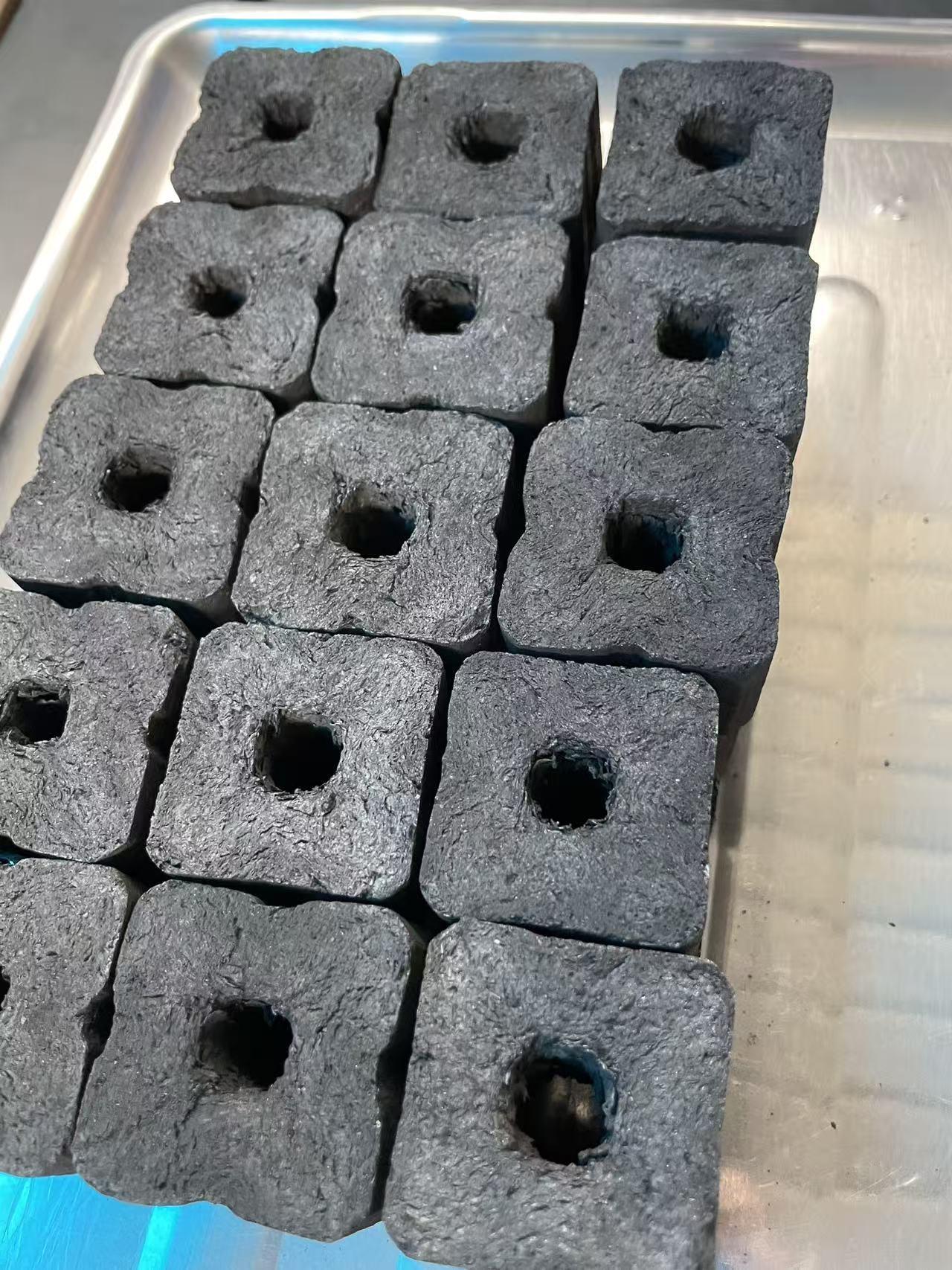
A carton has two lives
The first life is on screen. Everyone gathers around a PDF, adjusts a logo, argues about gold foil, and eventually agrees the box looks premium. Fair enough. A retail pack should look like somebody cared.
The second life starts after the carton has crossed a warehouse, a container, a shop shelf and a customer's hands. That is where packaging earns its salary. It has to open cleanly, hold the briquettes together, close well enough if product remains, and make the right information easy to find. A dramatic box that fails on its second opening is not premium. It is just expensive paper.
Design from the inside out
Private-label shisha charcoal should be planned as a system: briquette shape and count, inner protection, retail carton, master carton, pallet or container handling, then the printed design. Starting with the front panel is tempting because it is visible. Starting with the product is smarter because that is what customers complain about when it breaks.
Ask the supplier to confirm the physical stack before approving artwork. The dimensions of the inner pack affect the retail carton; the retail carton affects master-carton strength; the master carton affects how much rubbing and compression the product sees in transit. Packaging is a chain, not a poster.
The second-opening test
Take a prototype or sample box and open it once as a new customer would. Then close it, move it around, and open it again as a lounge worker or repeat customer would. Does the flap tear? Do briquettes spill? Is the count still easy to understand? Does the pack leave a loose pile of charcoal dust in the cupboard?
This small test is useful because shisha charcoal is a repeat-use product. A customer may not remember the exact varnish on the carton, but they will remember a box that makes a mess every time it is opened.
- Open the retail pack without a knife, if the chosen pack claims easy opening.
- Check whether inner protection keeps pieces from moving around.
- Close and reopen the carton after several pieces are removed.
- Look for crushed corners and rubbing after the retail box has been inside a master carton.
- Make sure product count, use instructions, warnings and brand contact details are legible at normal shelf distance.
Separate the jobs of the three packaging layers
The retail carton sells, informs and helps the user handle the product. The inner layer protects and portions it. The master carton survives wholesale handling and makes receiving easier. Trying to make one layer do all three jobs usually creates needless cost or a weak point.
A distributor selling to lounges may choose a restrained retail box and spend more attention on the master carton. A supermarket program may need a clearer shelf face, barcode placement and a carton that survives display handling. Neither choice is automatically better. The channel decides.
Make the prototype take a short journey
A flat artwork approval is not a packaging approval. Before a full production run, request a physical sample or a clearly documented packing mockup that shows the briquette count, inner protection, retail carton and master-carton arrangement. Then make it travel through the people who will touch it: the buyer, warehouse receiver, sales team and, if possible, one real retailer or lounge operator.
Each person notices a different failure. A buyer may spot an unclear label. The warehouse team sees a carton that stacks poorly. Sales notices that the shelf face does not explain the product. A lounge worker finds that the box becomes awkward after half the charcoal is used. Those comments are much cheaper before printing than after a container arrives.
Keep the feedback concrete. 'The package feels weak' is difficult to act on. 'The inner pack shifts after the first opening and several pieces chip at the corners' gives a factory and packaging team something useful to solve.
Do not leave market information until the last proof
Language, warnings, barcode requirements, importer information and any market-specific marks should be checked early with the buyer's local requirements. A factory can place approved artwork; it should not guess at local legal or retail rules on the buyer's behalf.
This is especially important for Arabic or bilingual packaging. Keep the supplied, approved copy intact through the final artwork review. If reliable Arabic copy is not available, use English as the authoritative working text until the buyer provides verified content. Guessing creates a problem that is both avoidable and embarrassingly permanent once printed.
What buyers should think differently
Private label is not a logo service. It is a promise that the product can arrive, sit on a shelf and be used without making the buyer's brand look careless.
The better brief is not 'make it look premium.' It is 'make it work on the shelf, in the warehouse and at the second opening.' Once that is clear, the artwork decisions become much easier.