Restaurant Buying Guide
The Restaurant Charcoal Burn Test That Makes Buying Less Guessy
A 45-minute kitchen-side test helps restaurant buyers compare heat, ash, refill work and usable cooking time before they compare prices.
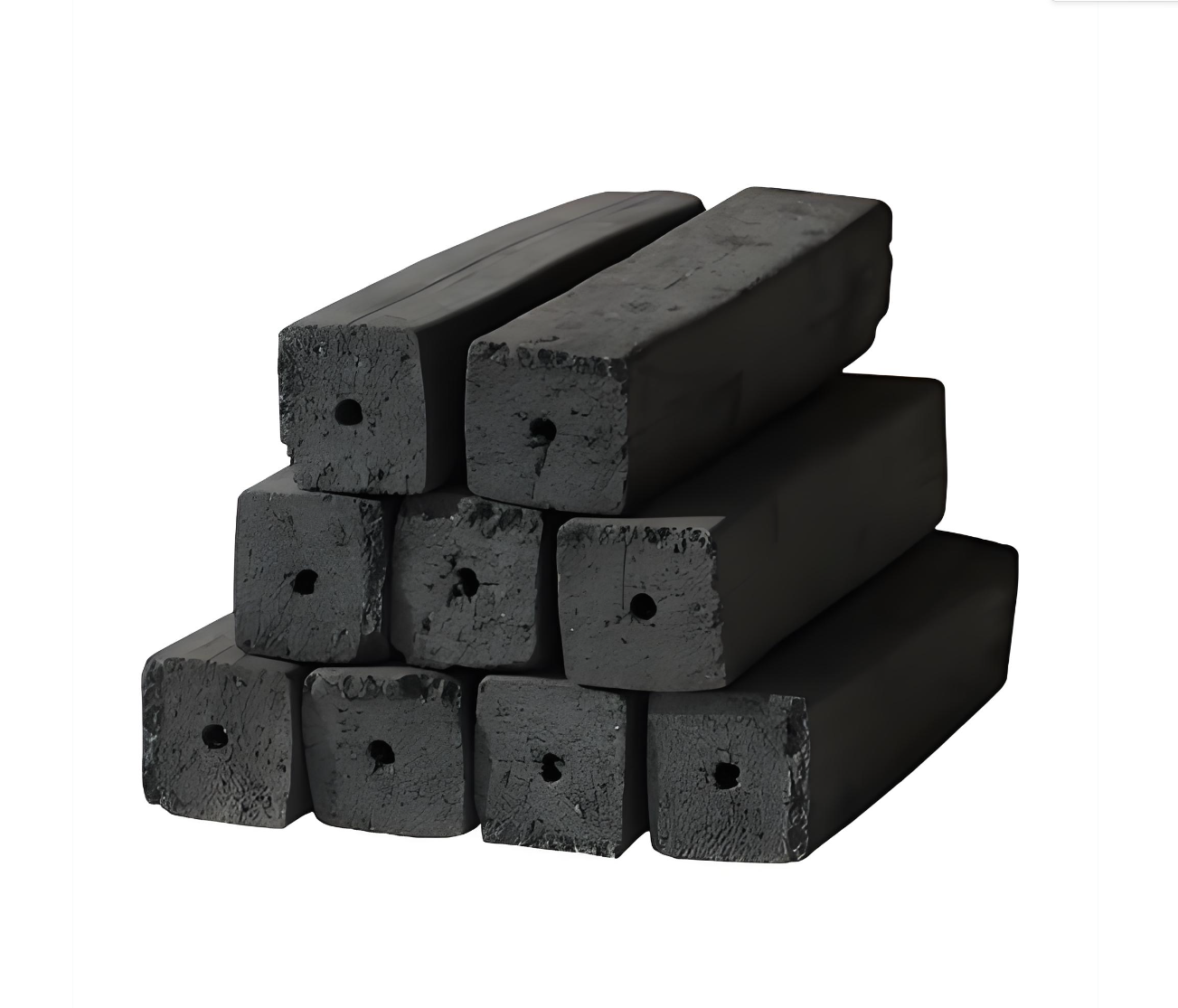
The price sheet cannot tell you how busy a grill station feels
Restaurant charcoal is often bought with a calculator and judged with a dustpan. That is backwards.
Two bags can look similar on a quotation. One keeps a grill moving through the rush; the other asks a cook to add fuel, clear ash and explain a heat drop at exactly the wrong moment. The cheaper bag can become the expensive one before dessert orders start arriving.
For restaurant buyers, the useful question is not simply which charcoal burns the longest. It is which charcoal gives the kitchen the most usable cooking time with the least interruption. That is a different test, and it does not need a laboratory.
Set the rules before the sample arrives
A fair comparison needs boring consistency. Use the same grill, the same amount of charcoal, the same lighting method and roughly the same cooking load. Test samples on different days if necessary, but write down the conditions. A rainy patio, an open grill and a half-empty firebox can each make charcoal look either heroic or hopeless.
Decide what matters before you light anything. A steakhouse may value a strong early sear. A hotel buffet may value a steady, calmer bed of coals. A caterer may care most about how easily staff can move, store and replenish bags. There is no universal winner because there is no universal kitchen.
- What food will be cooked and how hard the grill is worked.
- How many kilograms or briquettes start the test.
- The target service window before a refill is needed.
- Who records the notes: ideally the cook who will actually use the fuel.
- What counts as a failure: sparks, awkward ash cleanup, heat drop, breakage or simply too much staff attention.
Run a 45-minute kitchen-side burn test
Light a measured load and let it reach the normal cooking condition. Then use it. Do not protect the sample from the job it is meant to do.
At 0, 15, 30 and 45 minutes, write one short line about heat, ash, smoke or odor observations, whether food is cooking evenly, and whether anyone had to touch the fire. The notes do not need to be poetic. 'Good sear, ash building at front, no refill' is already useful evidence.
If the service normally runs longer, keep going. Forty-five minutes is only the minimum window that reveals the opening behavior. The real comparison is how long the charcoal remains useful for your cooking pattern.
Watch the work around the fire, not just the fire
Ash is not a beauty contest. It matters because it changes airflow, cleanup and the rhythm of the grill station. A low ash target can be useful, but an ash number should be compared only when the samples and test methods are comparable. Ask what the figure means, rather than treating a tiny number on a PDF as a magic stamp.
Also watch refill frequency. One extra refill per shift may not sound dramatic until it happens across several grills, several cooks and a busy weekend. The same goes for broken pieces at the bottom of the bag. Charcoal does not need to be perfect; it needs to be predictable enough that the kitchen can plan around it.
Turn notes into a buying decision
After the test, score each sample against the kitchen's real priorities. Keep the scorecard simple: usable heat, refill work, ash cleanup, bag handling and overall confidence. Then compare the cost per service window, not only the cost per bag.
This is where many buying conversations improve. Instead of saying 'Supplier A is cheaper,' a chef can say, 'Supplier B gave us another useful cooking cycle before we had to rebuild the fire.' That is a commercial argument the purchasing team can actually use.
- Ask for a sample that represents the proposed production specification.
- Confirm the bag size and storage space before choosing a packing format.
- Keep one retained sample from an approved batch for later comparison.
- For repeat orders, ask for the same test notes when a product or packing change is proposed.
Check the bag before you celebrate the burn
A good fuel sample can be undone by a bad delivery pack. Lift the bag as a kitchen team would, look at the seam, and notice how much fine material has collected at the bottom after normal handling. The aim is not to reject every bit of charcoal dust; fuel moves. The aim is to see whether the bag and the master-carton plan are sensible for the distance and the way staff will handle them.
Storage is part of the same conversation. Ask where the bags will sit between deliveries, whether the kitchen has room for the chosen size, and who will open and move them. A larger bag may look efficient on a quote but be awkward in a narrow back-of-house space. The right package is the one the team can use without improvising around it.
What buyers should think differently
Restaurant charcoal is not just fuel. It is a small operating system for the grill station. The right supplier conversation starts with service, labor and repeatability, then moves to price.
If you are sourcing restaurant bamboo charcoal, ask for a sample and test it where the decision matters: beside the grill, with the people who have to keep dinner moving.