
Restaurant Operations
Restaurant Charcoal Shift Handover: A Buyer Guide
A restaurant fuel problem is often a handover problem. Give chefs, porters and buyers a short shared routine before it becomes a service complaint.
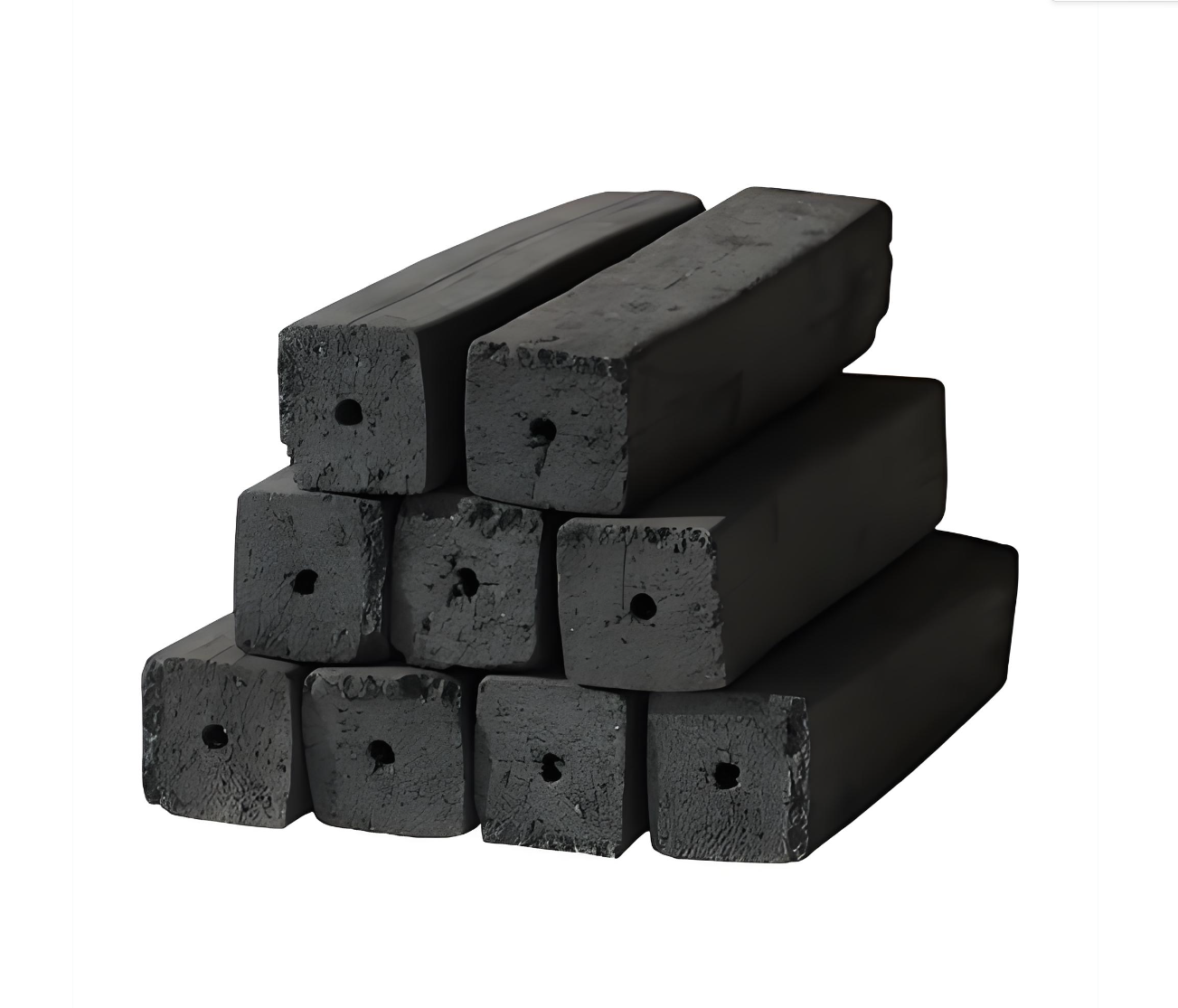
The fuel issue may actually be a handover issue
When a restaurant says its charcoal is inconsistent, the product is not automatically the culprit. Sometimes the evening team inherited a half-used fuel situation with no note. Sometimes a new bag was opened because no one knew what remained. Sometimes the buyer learns about damaged cartons only after the kitchen is already short. The charcoal has merely become the messenger.
That is worth saying plainly because restaurant fuel buying is often treated as a one-time product choice. In reality, it is an operating routine. A chef, a shift lead, a storekeeper, a cleaner and a purchaser can all touch the same charcoal program, but they do not see the same part of it. A useful supplier conversation begins by joining those observations together.
For restaurants and hotels using charcoal in an appropriate outdoor or professionally designed cooking setup, the objective is not to make every shift identical. It is to make the next shift less surprised. A short, repeatable handover can protect service, reduce unnecessary opening of stock and give the buyer better information when it is time to reorder.
Give each person one useful question
A long fuel checklist will sit in a drawer and become a very expensive piece of stationery. Keep the questions close to the job. The grill operator needs to know what fuel was used and whether the next service should expect a normal start. The shift lead needs to know whether enough unopened stock is on hand. The person responsible for cleaning needs a proper cool-down and ash routine under the restaurant's safety procedure. The buyer needs to know whether the pack and product are still doing the job they were bought to do.
Notice what is missing: nobody needs a theatrical quality report at the end of every night. The team needs a few observations that can be acted on. If charcoal was difficult to manage, write what changed in the setup. If a carton was weak or a bag was unexpectedly full of small pieces, keep it separate and record it. If service was normal, record that too. Quietly normal fuel is a compliment worth preserving.
- What product and pack was opened for this service?
- Was any stock left that is still suitable for the next planned use?
- Did the operator notice a change in handling, heat management or ash clean-up?
- Were there damaged packs, excessive small pieces or storage concerns to show the buyer?
- What is the next realistic date when a reorder decision is needed?
Treat storage as part of the specification
Buyers are right to ask about burning behaviour. They should also ask what happens to the product between the receiving bay and the grill. A good sample can be undermined by careless storage, repeated rough handling or a pack that is opened long before it is needed. Charcoal is friable: handling can create smaller pieces and dust. The FAO's technical guidance makes that old but still useful point, which is why the receiving and storage routine deserves a place in a commercial brief.
This is not a request for a restaurant to become a warehouse. It is a prompt to make the simple choices explicit: where unopened packs sit, who can move them, how a damaged pack is isolated, and how a team identifies the approved sample or batch reference. If the restaurant has its own safety, fire or food-service rules, those rules lead. The charcoal supplier's role is to give clear pack information and respond to practical evidence, not to invent a site procedure from a distance.
For imported charcoal, transport preparation belongs in the earlier part of the supply chain as well. CINS says charcoal requires correct preparation, packaging, packing and declaration for container carriage, and distinguishes ordinary charcoal from activated carbon. That is a shipping and supplier conversation, not a promise that a restaurant can skip its local safety processes.
Make the first order a working reference, not a memory
A restaurant that has found a workable fuel should keep a small reference record before placing the second order. Note the product format, pack size, approved sample date, the approximate service use it supported, and any practical instruction the team found helpful. Take a photo of the carton mark or retain a clean label. The point is not paperwork for paperwork's sake. It is to stop a later order from drifting into 'the same as last time' when nobody can agree what last time meant.
Include the inconvenient details. Did a particular bag size fit the storage space? Did a master carton prove awkward for a small team to move? Did an event weekend create a false view of normal consumption? Those notes help a restaurant buyer choose the next pack mix more intelligently than a total-kilogram figure on its own.
A supplier can then quote against a named use case: restaurant BBQ service, intended pack size, approximate reorder rhythm and required arrival window. That is far more productive than asking for the cheapest charcoal available. The cheapest answer may still be the most expensive one if it creates a frantic substitute purchase halfway through a busy week.
Use complaints as signals, not slogans
'Bad charcoal' is a frustrating phrase because it tells the buyer almost nothing. Ask instead: what did the person on the grill see, when did it happen, and was the pack condition normal? A change in lighting method, airflow, food load, storage condition or the product itself can all matter. A supplier cannot investigate a vague disappointment, but they can respond to a dated sample, a few photos and a short factual note.
Avoid declaring a batch problem from one rushed service. Equally, do not dismiss a repeated operator observation because the purchase specification looked fine on paper. The sensible middle ground is a small buyer-side check under the restaurant's normal setup. Use the approved sample or proposed reorder sample, record the practical result, and compare it with the operating brief. The test should answer whether the fuel fits the restaurant's work, not whether it wins a philosophical argument on the internet.
The better buying rule
After reading this, a restaurant buyer should think differently about fuel supply: a charcoal program is not just product plus price. It is product, pack, storage, shift handover and a clear way to turn a kitchen observation into a reorder decision. That is what makes the program repeatable.
Before requesting the next quotation, send the supplier a compact note: product use, required pack format, intended arrival date, approved reference, any changed storage need and one lesson from the last delivery. Ask the team that actually handles the charcoal to add one sentence. They usually know where the real friction lives.
The best restaurant charcoal is not the one with the loudest promise on the bag. It is the fuel that the team can receive, store, hand over and use with fewer surprises. Service has enough drama already.