
Shisha Retail Strategy
Build a Three-SKU Shisha Charcoal Range
Before adding another charcoal shape, decide what each SKU must do for the lounge, retailer and replenishment plan.
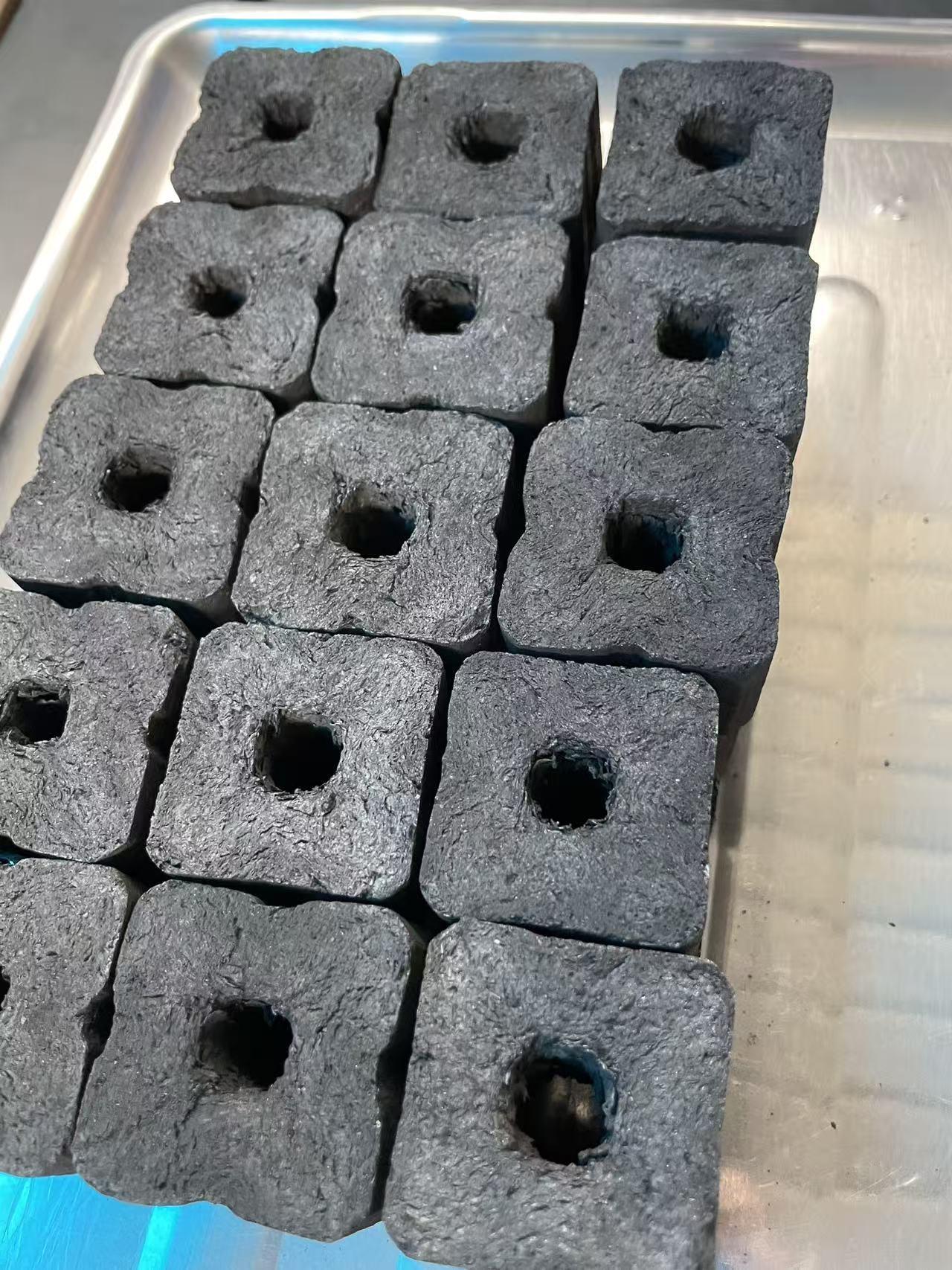
A crowded range is usually a decision problem wearing a carton
A shisha retailer starts with one charcoal box, finds a second format that looks promising, then adds another size because a customer requested it once. A few seasons later, the shelf contains several black cartons that appear different to the buyer but not always to the person who has to sell them. Stock slows down, staff improvise explanations and the next purchase order becomes an archaeological dig.
The better question is not 'Which shapes can we offer?' It is 'What job does each SKU do?' Recent 2026 market summaries keep pointing to the same commercial variables: form, retail or bulk packaging, distributor reliability, carton resilience and heat-management compatibility. Treat those signals as buyer questions, not as proof that any published market forecast is correct. They are enough to show why a small, purposeful range can beat a busy one.
For a new or growing shisha charcoal program, three well-defined SKUs are often plenty. One can serve the regular retail customer, one can serve a lounge or high-volume user, and one can test a specific pack or format opportunity. The exact shapes and piece counts should follow the target market and buyer-side trial. Do not copy a competitor's shelf just because it looks impressively complicated.
SKU one: the dependable regular
The first SKU should be the one a shop can explain without a seminar. Define the intended user, the usual heat-management setup, the pack format, and the conditions under which staff should recommend it. The product does not need to claim perfection. It needs a clear role: a regularly replenished natural bamboo shisha charcoal option for the customer's normal session setup after full ignition.
This is where consistency matters more than novelty. The buyer should ask for a representative sample, test it with the equipment commonly used by the channel, and keep the approved pack details. Watch the practical things: the condition of pieces after ordinary handling, the ease of counting or arranging them, heat behaviour through the planned session and the amount of explanation a salesperson needs to give. A retailer wants a repeat purchase, not a brilliant one-off demonstration.
For private label, lock the visible basics early: product name, piece or pack count, net weight, barcode, importer information and required warnings. Artwork may feel separate from fuel selection. It is not. A poorly controlled carton can turn a workable product into a difficult shelf item.
SKU two: the working pack for volume users
The second SKU should earn its place by solving a different buying pattern, not by giving the same customer a nearly identical box in a different colour. A lounge supplier or a high-volume retail buyer may need a format that suits more frequent replenishment, staff handling or a defined heat-management device. The details must be confirmed by sample and customer feedback rather than assumed from a shape name.
Think through the operating questions before ordering. Who opens the pack? Where is it stored? How many pieces are normally used in a session? Is the retail box also a working pack, or does the channel need a different inner and master-carton arrangement? A large box can reduce handling frequency but become awkward if it is opened, moved and counted by several people. There is no prize for shipping a pack that looks efficient only on a spreadsheet.
Current market coverage also highlights low breakage and moisture-conscious packaging as distributor concerns. That does not make any carton invincible, and it is not a substitute for route-specific packing planning. It does support a very practical decision: inspect the pack as a logistics object before treating it as a brand object.
- Name the user and the intended session or service context.
- Define the required pack count, retail presentation and master-carton logic.
- Run a real sample test and retain the approved reference.
- Inspect product and carton condition after normal handling, not only at the top of a neat sample case.
- Write the reorder trigger before the first container or bulk order arrives.
SKU three: the disciplined experiment
The third SKU is where a retailer can learn without confusing the whole range. It might be a different shape, a smaller trial pack, an OEM format for one market or a box designed for a named customer segment. The crucial word is trial. Give it a hypothesis: 'This pack may suit shops with frequent small purchases,' or 'This format may fit the devices used by this lounge group.' If the team cannot state the hypothesis, it is probably just another carton.
Set a time and a measure for the test. For example, review sell-through, repeat requests, carton damage notes and staff questions after a defined period. Avoid inventing performance numbers or treating one enthusiastic customer as a market report. A small editorially honest test can still produce a sharp buying decision: keep it, adjust it, or remove it before it absorbs another reorder budget.
This approach is especially useful for private-label charcoal. The buyer can test whether the market responds to the pack, the format and the product story together, while retaining a core SKU that customers already understand. It is easier to manage than changing every carton at once and then trying to work out what helped.
Use a range map, not a stack of quotations
Put each SKU on one page with six fields: named user, intended use, product format, pack and carton, sample reference, and reorder rule. Add one sentence on what would make the SKU fail. Perhaps the pack has too much breakage for the route, perhaps shop staff cannot explain it, or perhaps it overlaps with the regular SKU so closely that neither can sell cleanly. This small exercise removes a surprising amount of buying theatre.
The supplier should see the same range map. It helps them quote the correct product, packaging and artwork assumptions rather than guessing which version of 'premium shisha charcoal' the buyer means. It also keeps document and transport discussions in the right place. CINS distinguishes bamboo charcoal from activated carbon and stresses proper preparation, packaging, packing and declaration for carriage. Confirm route-specific requirements with the carrier, forwarder and importer; a retail range plan is not a transport approval.
The better range rule
The useful shift in thinking is simple: a good shisha charcoal range is not a display of manufacturing possibilities. It is a set of clear promises to specific users, supported by a sample, a pack brief and a reorder decision. More choice can be valuable. Unexplained choice is just inventory with better lighting.
Start with the regular SKU, a clearly different volume-use pack and one measured experiment. Test them in the target channel. Record the pack condition and customer questions. Then reorder the formats that have a job and remove the ones that merely make the shelf look busy.
That gives a retailer or distributor something better than a giant catalogue: a range that staff can understand, buyers can replenish and customers can return to without guessing.