
Export Logistics
Charcoal Container Loading: The Booking Brief Buyers Need
A booking is not a green light. Use this practical brief to align the charcoal, documents, packing and forwarder before cargo reaches the port.
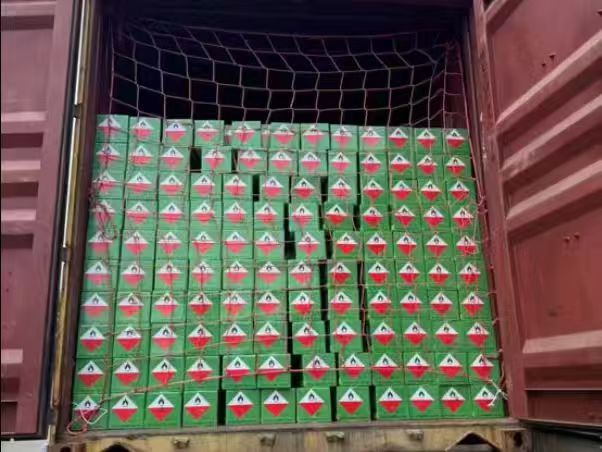
A booking is the start of the serious questions
A charcoal shipment can look wonderfully simple in a quotation: product, cartons, a port and a date. Then the forwarder asks what the cargo actually is, which documents are ready, how it will be packed and whether the carrier has accepted the booking. Suddenly the container is not a logistics detail. It is the part of the purchase that decides whether a good product gets to leave the factory without a last-minute scramble.
That is why a buyer should not treat a provisional booking as permission to relax. Treat it as a prompt to make one short, shared brief. The supplier, importer and forwarder should be looking at the same facts before cargo reaches the port. It is less glamorous than choosing a carton design, but it prevents a great deal of expensive guessing.
This guide is not a transport approval and it does not replace the carrier, forwarder, importer or applicable regulations. Its job is more modest and more useful: make sure the buyer asks the right questions early enough to get a real answer.
Start by naming the cargo accurately
Do not shorten the cargo description to 'charcoal' and hope everyone fills in the same meaning. CINS guidance draws an important line between UN 1361 carbon of animal or vegetable origin, which includes carbonised bamboo charcoal, and UN 1362 activated carbon. They are not interchangeable labels. Activated carbon is a different industrial material; it is not a cleverer way to describe a briquette.
This matters because a casual name can send the conversation down the wrong path. Give the forwarder a clear product description, intended form, packaging format and origin. Ask which declaration, handling and document requirements apply to the proposed route and carrier. The buyer does not need to become a dangerous-goods specialist. They do need to stop the product description becoming a game of telephone between sales, factory and port.
The IMDG Code is the international framework for packaged dangerous goods by sea, and the applicable carrier and local authorities decide the practical route requirements. A supplier's past shipment is useful context, not a guarantee that a different carrier, destination or booking date will be handled identically.
The nine-line booking brief
Keep the brief short enough that people will actually use it. One page is usually enough. Send it to the supplier and forwarder, then record the answers instead of leaving them inside a chat thread. The exact paperwork will vary, but these questions turn a vague request for 'shipping support' into a working handoff.
- What is the confirmed product description, including that it is bamboo charcoal rather than activated carbon?
- What product form, retail pack, master carton and total shipment quantity are being booked?
- Which origin port, destination port, carrier and intended sailing window are proposed?
- What classification, declaration and preparation requirements has the carrier or forwarder confirmed for this route?
- Which supporting documents are needed, who prepares each one and when must it be submitted?
- What carton, inner-pack, pallet or container-protection arrangement has been approved for the shipment?
- Who checks the cargo and container condition before stuffing, and what evidence will be retained?
- What is the escalation contact if the carrier asks a new question or rejects a document?
- What must be reconfirmed if the product, pack, route, carrier or sailing date changes?
Packing is part of the transport decision
A retail box is designed to be picked up by a shopper. A shipment has to survive much more: factory handling, loading, road movement, terminal handling, sea transit and then the receiving warehouse. The distinction is obvious when stated aloud, yet buying teams still sometimes approve the pretty inner box and leave the master carton, stacking pattern and container protection for later.
CINS specifically focuses on preparation, packaging, packing and declaration. That is a useful buyer mindset even before anyone discusses a final booking. Ask to see the intended carton and packing arrangement, not only a product photograph. Ask what will be photographed at loading. Ask how the approved sample, carton artwork and production pack are tied together so a repeat order does not quietly become a different shipment.
Avoid inventing a universal loading formula. Container configuration depends on product, carton dimensions, packing method, route and carrier instructions. The useful requirement is a documented plan and a named person responsible for checking that the plan was followed.
Documents should answer a question, not decorate an email
Buyers often request every available file because missing a document feels risky. That instinct is understandable, but a better approach is to ask what each file is meant to answer. A commercial invoice and packing list establish the commercial shipment. A COA may describe an agreed batch check. An SDS or transport file may support the carrier conversation. The importer and forwarder should confirm what is actually required for the destination and booking.
The site can provide COA, SDS and transport documents for buyer review, but availability is not a customs-clearance promise. It also does not turn an old file into a route-specific approval. Check document version, product description, consignee details and timing before cargo is at the gate. A document that is correct in principle but mismatched to the shipment is exactly the kind that causes a nervous Friday afternoon.
Keep a simple ownership column beside the booking brief: supplier, forwarder or importer. If nobody owns a line, it is not a plan.
Make loading evidence useful on arrival
Loading photos are often treated as a ceremonial last step: container open, cartons visible, door closing. They are more useful when they answer the same questions that the receiving team will ask later. Photograph the container condition before loading where appropriate, the packing pattern, labels and sealing process according to the agreed plan. Keep the files tied to the order, date and product version.
This does not prove every carton will arrive untouched, and it should not be used to wave away a genuine receiving issue. It gives the buyer a starting record. If a distributor later sees damage, missing labels or a mismatch, they can compare a dated shipment record with a dated receiving note rather than rely on memory. That is a much fairer basis for investigation.
The same discipline helps repeat orders. A good booking brief becomes a controlled reference, not a one-off checklist. Update only the parts that changed: product, packing, destination, forwarder or carrier requirement.
The better loading rule
The buyer should think differently after this: container loading is not a factory-side finale. It is a joint decision made by the buyer's specification, the supplier's packing work and the forwarder's route requirements. The best time to identify a missing answer is before the cargo is packed, not while a truck is waiting outside a terminal.
Before asking for the next bamboo charcoal export quotation, send a nine-line booking brief with the destination, intended product, pack, timing and named logistics contact. Ask the supplier for the available product and packing evidence, then ask the forwarder to confirm the route-specific requirements. That small bit of discipline is usually cheaper than a heroic rescue operation later.