
Buyer Comparison
Bamboo Charcoal vs Hardwood Charcoal: A Buyer Test Plan
There is no universal winner. Use a simple, channel-specific test to compare bamboo and hardwood charcoal before the sales story writes the purchasing decision.
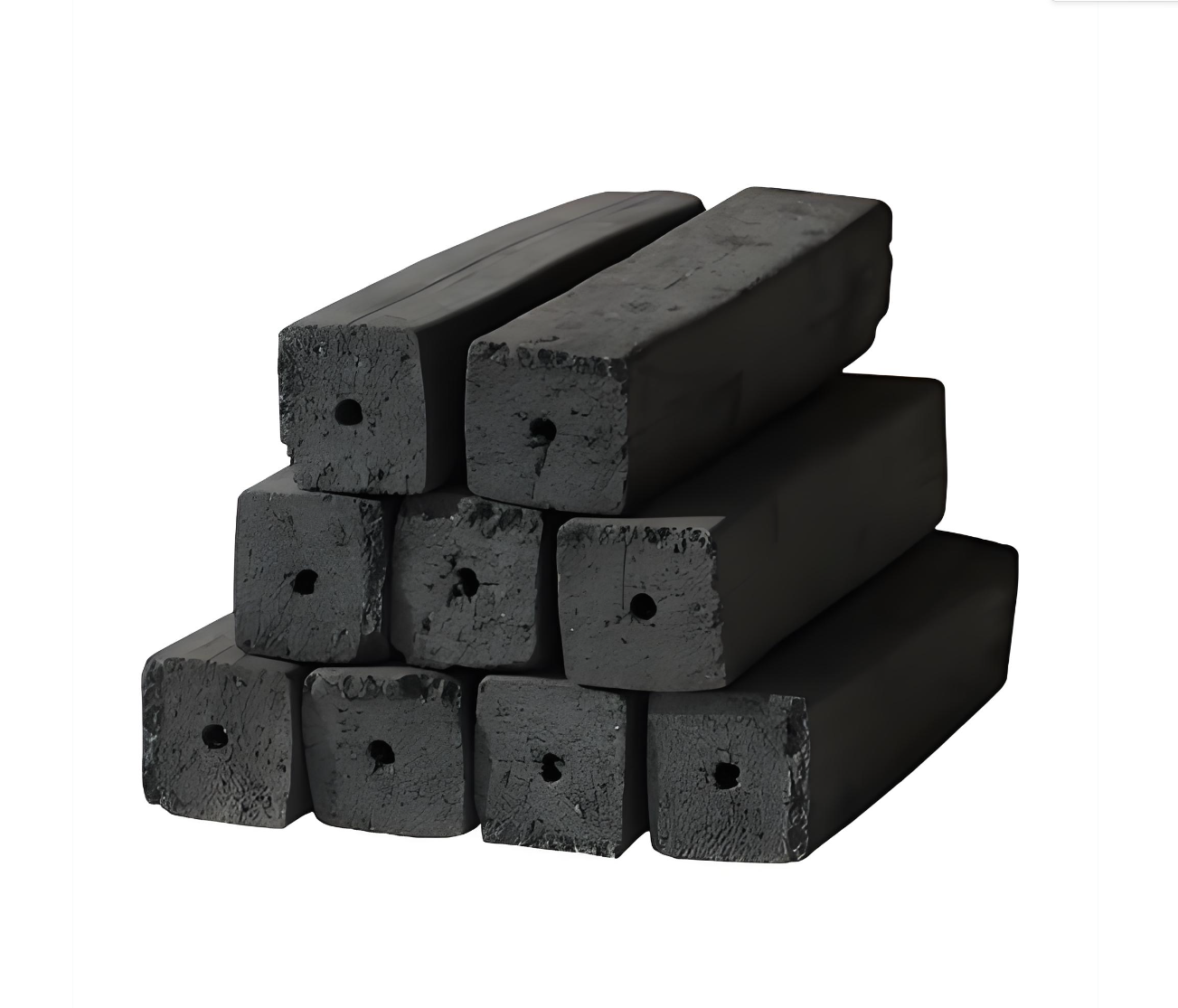
Stop asking which material wins
The bamboo-versus-hardwood question is often asked as though one answer can settle every purchase: which burns hotter, lasts longer or gives the better result? That is a tidy question, which is probably why it survives. It is also too blunt to help a distributor, restaurant supplier or BBQ retailer choose stock.
A charcoal buyer is not choosing a botanical team. They are choosing a product format for a specific grill, user, pack size, route and price point. A shaped bamboo product, a hardwood lump product and a dense hardwood briquette may behave very differently even before the feedstock conversation begins. Carbonisation, density, size control, moisture, packing and handling all get a vote.
Research comparing bamboo with different wood charcoals also points in this direction: measured combustion and mechanical results vary by material and production conditions. That is useful because it gives a buyer permission to stop looking for a universal champion. The better question is: which sample performs reliably in the job we are actually selling it for?
Choose the job before the charcoal
Write down the intended job before requesting samples. For a BBQ distributor, the job might be a convenient, consistent retail fuel for weekend grills. For a restaurant buyer, it may be heat behaviour in the existing cooking setup and a pack that staff can handle without creating a messy storeroom. For a wholesale customer, the job can include pallet condition after a longer domestic delivery.
This sounds obvious until a buyer compares a shaped bamboo briquette with a bag of irregular hardwood lump and then declares one 'better.' They may be better at different things. Lump can appeal to customers who want visible natural pieces and a particular grilling ritual. A formed product can make more sense where repeatable dimensions and a more predictable retail pack matter. Neither conclusion needs a grand claim about all bamboo or all hardwood charcoal.
Keep the channel honest. If the plan is to sell into specialist BBQ shops, ask what the shop staff must explain. If the plan is to serve restaurants, ask who lights it, who stores it and what happens when a bag is half used. A product that looks excellent in a showroom but makes the user's routine more awkward is not premium. It is just expensive homework.
Run the same test, not two separate demonstrations
Ask for the comparable product formats and test them under the same conditions. Use the intended grill or cooking equipment, the same lighting method and a sensible quantity for the job. Record what you see instead of relying on a first impression. The purpose is not to stage a laboratory study. It is to make the commercial decision repeatable when somebody else on the team asks why the chosen SKU won.
FAO quality-control guidance notes that screen size, ash content and friability are among the properties large buyers often specify. Its transport guidance also explains why handling creates fines. Those are useful prompts for a buyer test: look at the fuel in use, then look at the material left in the bag or carton after it has been carried and stored. Do not reduce quality to the moment the first piece catches light.
- Record product form, piece size or briquette dimensions, and the pack version being tested.
- Use the same grill, lighting method, quantity and user for each comparison where possible.
- Note ease of lighting, heat behaviour for the intended food or service, and how the user manages the fuel during the session.
- Observe ash and remaining usable pieces without turning a one-off observation into a published performance claim.
- Check fines, broken pieces, dust and pack condition before and after ordinary handling.
- Write down the channel question: would a restaurant, retailer or end user understand how to use and reorder this product?
Do not let a headline number make the decision
A quotation may contain ash, burn-time or carbon figures. They can be relevant when a buyer and supplier agree what is being measured and how. They are not magic sorting buttons. A good-looking number does not tell you whether the sample fit the target equipment, whether the pack survived the route, or whether the customer can tell one SKU from another.
The same warning applies to broad material claims. Charcoal is affected by production and handling, not only by its original biomass. FAO describes the tradeoff clearly in general terms: harder-burned material can be cleaner-burning yet more friable, while handling itself can create fines. That is not a ranking of bamboo against hardwood. It is a reminder to test the finished commercial product, not an internet stereotype.
Ask a supplier to explain the proposed format, packing and intended use in plain language. If the answer is only a list of superlatives, keep asking. A practical supplier can help define a sample and packing reference without promising that every use condition or delivery route will be identical.
Score the tradeoffs that can change a reorder
A simple scorecard is more useful than a heroic spreadsheet. Give each sample a short note under four headings: user fit, pack and handling, selling story, and reorder confidence. User fit covers the real cooking or grilling trial. Pack and handling covers breakage, dust, carton clarity and whether the stock is manageable. Selling story asks whether the product has a distinct, honest reason to exist in the range. Reorder confidence asks what evidence would be needed before a first container or regular order.
The last heading matters most. A buyer may like a bamboo sample but need a different carton or a closer check on the intended distribution route. They may like a hardwood lump sample but decide it is too variable for the particular retail promise they want to make. Neither is a failure. That is the test doing its job before inventory turns the question into a financial argument.
Keep the approved sample and the approved pack tied to the quotation. A good comparison has a paper trail small enough to use: product description, photo, pack details, test date, result and the next question. This is especially valuable if a buyer will compare a later production sample or receive stock through a different warehouse.
The better comparison rule
After reading this, a buyer should think differently about the material debate. Bamboo charcoal versus hardwood charcoal is not a referendum on which resource deserves a trophy. It is a product-fit decision. The winning SKU is the one that works in the buyer's intended equipment, arrives in a sensible condition, has a clear role in the channel and can be specified well enough to reorder.
Before selecting the next BBQ charcoal line, request samples with the target pack, run one controlled buyer-side test and score the result against the real channel. Let the evidence choose the product. It is less dramatic than a material slogan, which is exactly why it tends to make better buying decisions.